


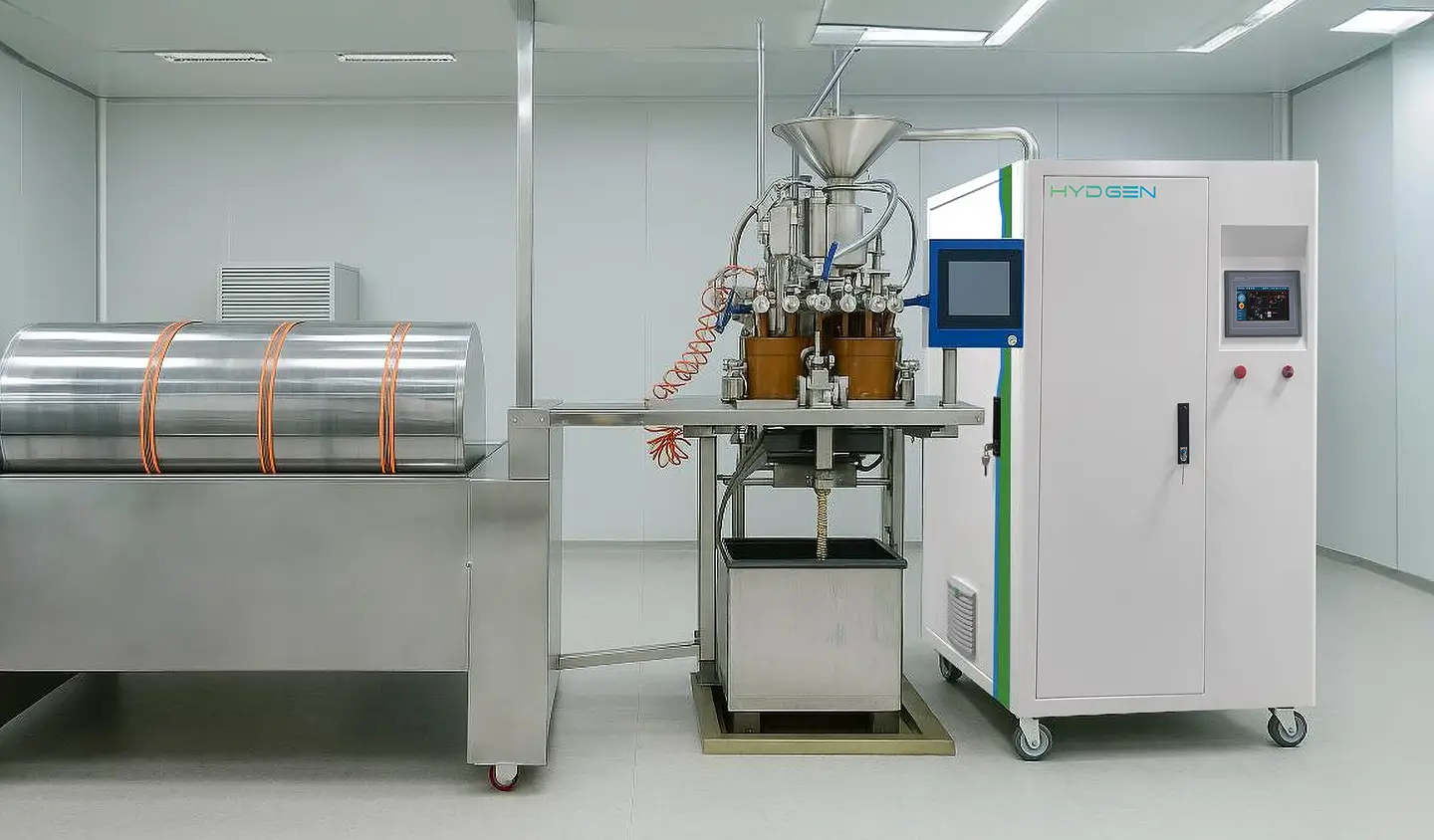
On-Site Hydrogen Generation for &Pharmaceutical API Synthesis and GMP-Compatible Manufacturing&
High-purity hydrogen generation systems engineered for active pharmaceutical ingredient synthesis, catalytic hydrogenation, and the documentation standards that regulated manufacturing demands
On-Site Hydrogen Generation for &Pharmaceutical API Synthesis and GMP-Compatible Manufacturing&
High-purity hydrogen generation systems engineered for active pharmaceutical ingredient synthesis, catalytic hydrogenation, and the documentation standards that regulated manufacturing demands
{Hydrogen Purity for API Synthesis:} Why Consistency and Traceability Are Regulatory Requirements
Between 10–20% of all small-molecule API synthesis steps involve heterogeneous hydrogenation — making hydrogen one of the highest-impact process parameters in the plant. Trace CO, sulphur, and moisture alter stereoselectivity and deactivate precious metal catalysts.
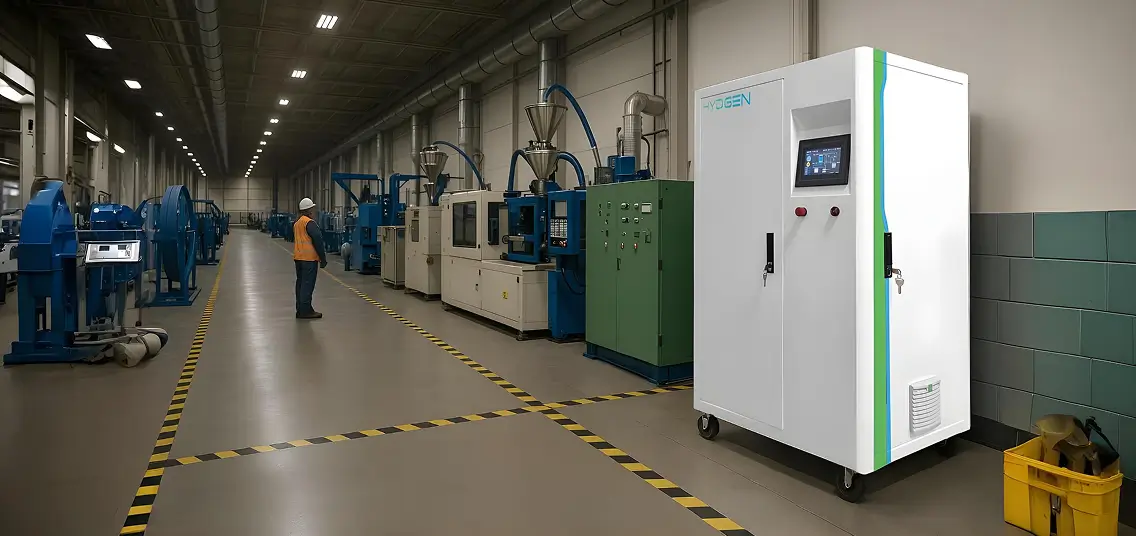
Continuous hydrogen at up to 99.9997% purity — with trace impurity characterisation available for batch documentation
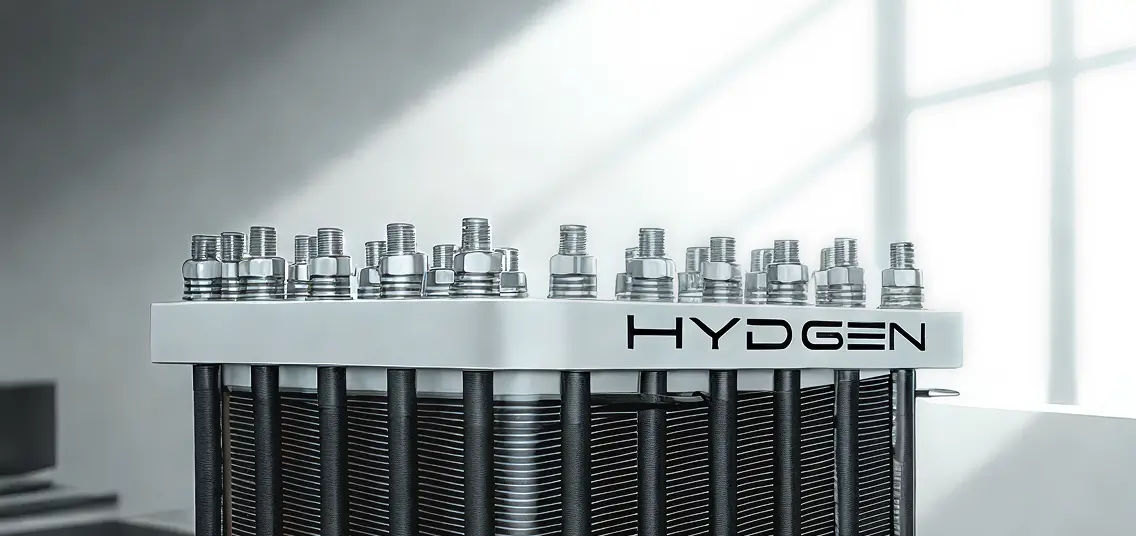
CO, O₂, sulphur, and moisture controlled to protect Pd, Pt, and Raney Ni catalyst activity
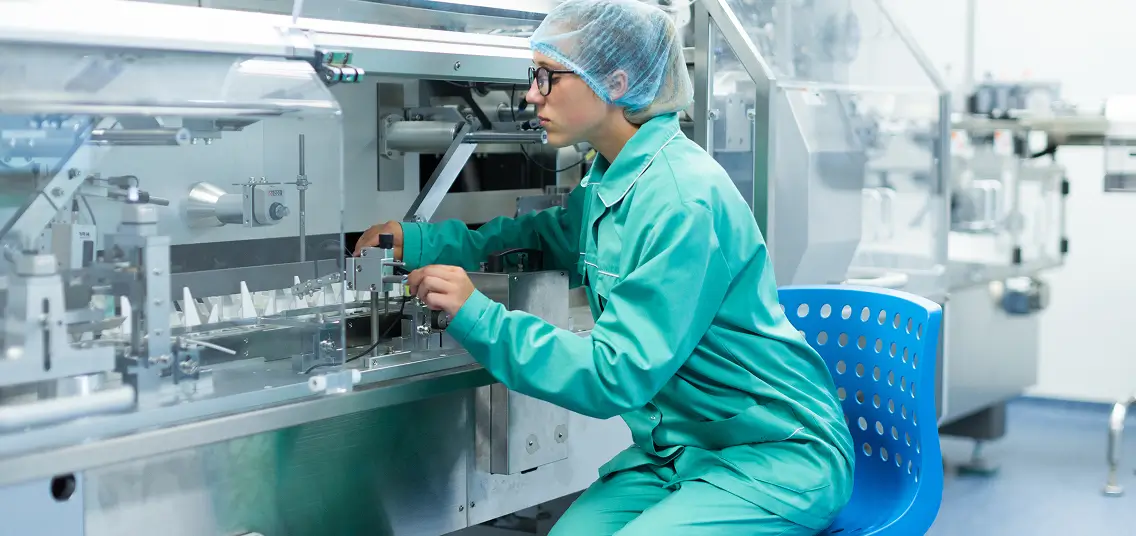
Purity verified at point of use, with generation data integrated into the GMP traceability chain
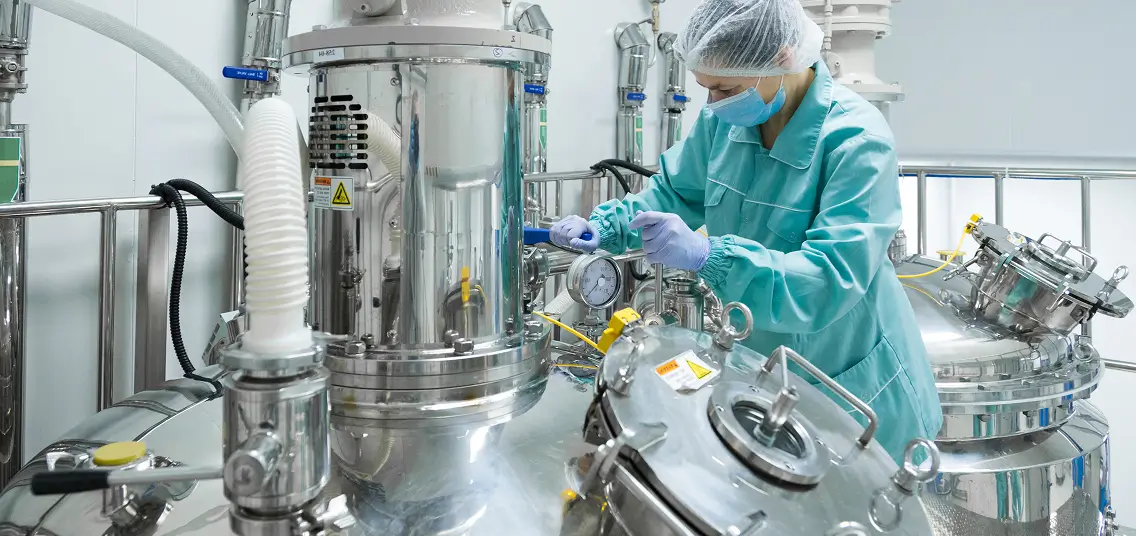
Stable pressure and flow across batch and continuous API manufacturing modes

>99.9%
H₂ purity achieved on-site vs incumbent system benchmark

<50%>
Catalyst replacement frequency reduction

>99%
Reduction in OOS batch events related to hydrogen supply
Our Impact
Assess On-Site Feasibility
60+
years cumulative hydrogen expertise
99.9997%
Up to hydrogen purity delivered on-site

Manufactured in India — total cost of ownership advantage over European and US incumbent systems
12 MtCO₂e saved over 20 years of operation
Where Incumbent Hydrogen Systems [Create Risk in Pharmaceutical Manufacturing]
Established on-site systems and industrial gas supply contracts both impose structural limitations that become more acute as API portfolios grow and regulatory scrutiny intensifies.
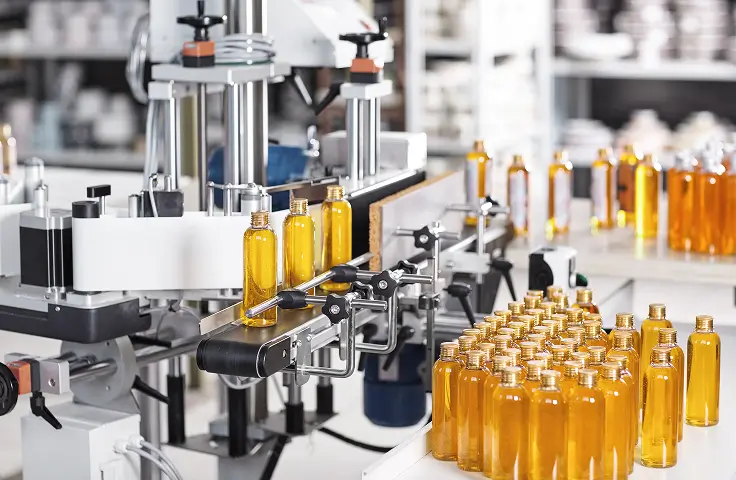
Legacy systems
purity ceilings that do not consistently achieve trace impurity specifications for asymmetric hydrogenation and chiral synthesis
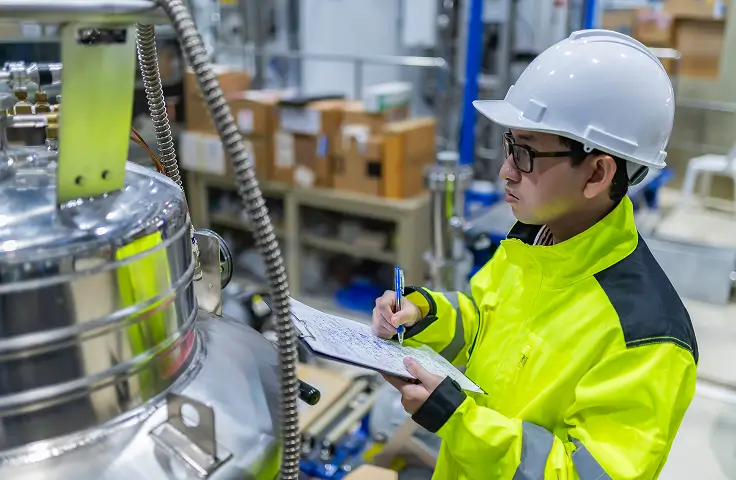
Industrial gas contracts
service dependency, contract lock-in, and opaque per-batch cost that limits flexibility and obscures economics
Both
documentation gaps that complicate GMP traceability for process gases during regulatory inspection or post-approval variation submissions
HYDGEN delivers pharmaceutical-grade hydrogen with full generation traceability and a total cost of ownership that materially changes the economics of regulated on-site generation
System-Level Reliability for {GMP-Compatible API Synthesis}
HYDGEN systems integrate with pharmaceutical synthesis reactors, hydrogenation vessels, and GMP production environments.

Pharmaceutical-Grade Purity with Impurity Characterisation
Up to 99.9997% with full trace impurity characterisation for Pd, Pt, and Raney Ni-catalysed API synthesis.

Continuous Supply with Validated Redundancy
Built-in redundancy and automated alarms maintain supply across batch and continuous manufacturing — service independent of incumbent provider.

GMP-Compatible Documentation and Traceability
Generation data, purity records, and operational logs available for batch records, regulatory submissions, and inspection readiness.

Modular Capacity Across Multi-Product Portfolios
Expand to support multi-product API manufacturing without capital lock-in or long-term supply contracts.

Pilot Data & Performance Metrics
<8,000+ hrs/year>
System uptime
<15–25%>
Total cost of ownership vs incumbent system over 5 years
<20–40%>
Reduction in OOS batch events and catalyst replacement cost

Frequently Asked Questions
What hydrogen purity is required for pharmaceutical API hydrogenation?

API hydrogenation requires ≥99.999% (5N) purity, with CO <1 ppm, sulphur <0.1 ppm, O₂ <10 ppm, and moisture <20 ppm. Asymmetric synthesis applications may require 5N+ or 6N to maintain enantiomeric excess targets. ICH Q7 requires process gases be of appropriate purity with purity documented in the quality system.
Does on-site hydrogen generation meet GMP requirements for pharmaceutical manufacturing?
On-site hydrogen generation can be operated in a GMP-compatible manner as a qualified process utility. HYDGEN systems provide generation data, purity logs, and maintenance records needed to support GMP documentation — typically a traceability advantage over cylinder supply.
What is the cost-per-batch advantage of on-site hydrogen vs industrial gas supply for API synthesis?
For facilities consuming ≥5N purity hydrogen above approximately 100–300 Nm³/day, on-site generation typically reduces hydrogen input cost by 30–60% vs industrial gas cylinder supply. Total cost of ownership payback is typically within 3–5 years for mid-scale hydrogenation facilities.
How does on-site hydrogen generation improve process gas traceability for pharmaceutical manufacturers?
On-site generation provides continuous, real-time process data that integrates directly into the batch documentation chain — a traceability advantage over cylinder supply, which relies on supplier certificate of analysis and delivery records
Can HYDGEN systems be validated for pharmaceutical manufacturing applications?
HYDGEN systems can be implemented under a qualification programme consistent with ISPE Good Engineering Practice for process utilities, covering IQ, OQ, and PQ. HYDGEN provides system specifications, component certificates, and calibration records to support the qualification package.
Own your hydrogen supply
Tired of paying 60% more for your hydrogen than you need to?
Take control with on-site, on-demand production that's cost-effective, ultra-pure, and built for your reality.
Take control with on-site, on-demand production that's cost-effective, ultra-pure, and built for your reality.
Own your hydrogen supply
Ready to stop spending 60% more for your hydrogen than you need to? Reduce operational costs and eliminate dependency on external suppliers with your own on-site, on-demand hydrogen production.


