


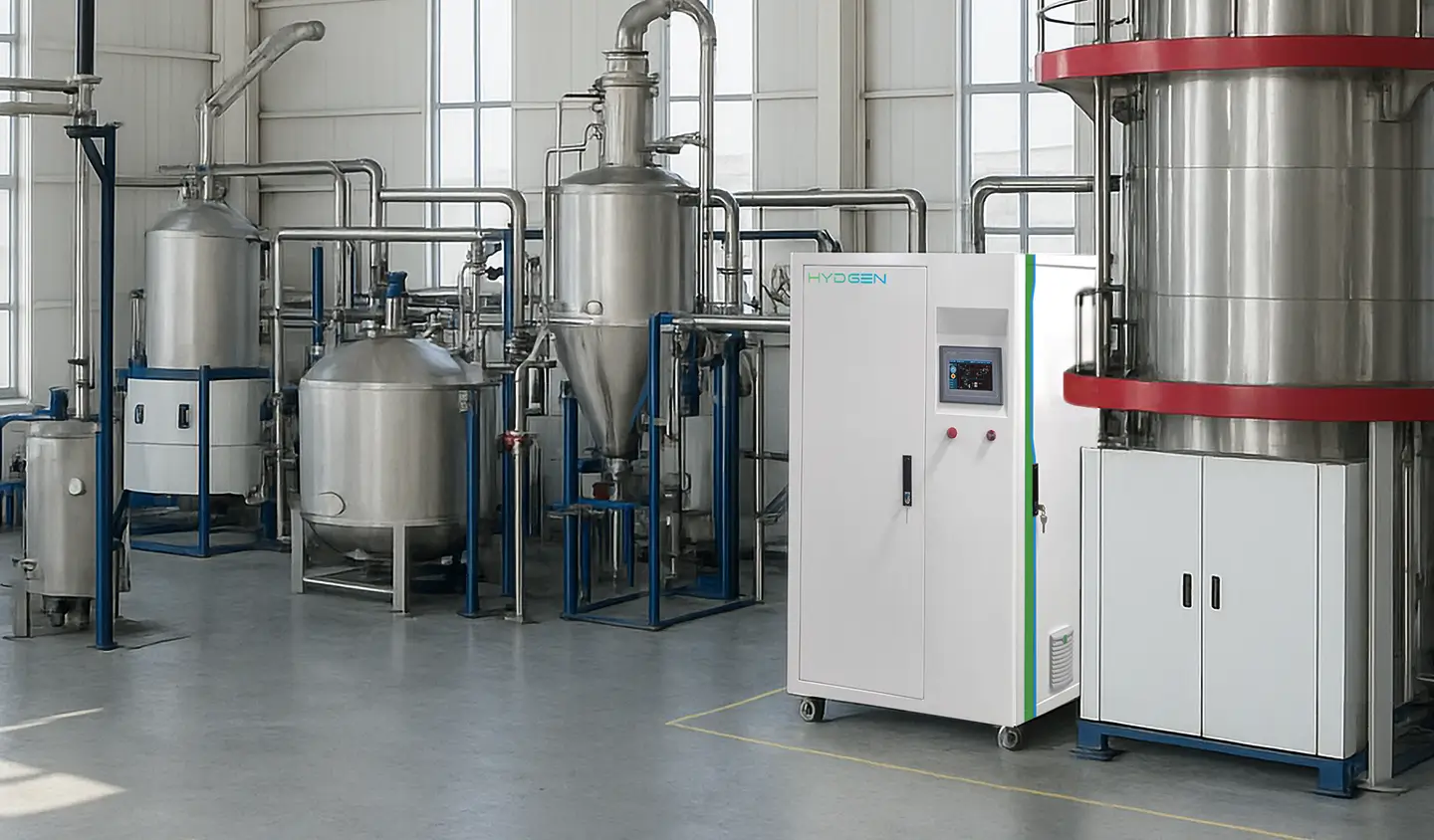
On-Site Hydrogen Generation for &Cement Manufacturing and Kiln Decarbonisation&
Modular hydrogen generation systems for kiln fuel blending, hydrogen co-firing integration, and industrial decarbonisation programmes at cement plant scale.
On-Site Hydrogen Generation for &Cement Manufacturing and Kiln Decarbonisation&
Modular hydrogen generation systems for kiln fuel blending, hydrogen co-firing integration, and industrial decarbonisation programmes at cement plant scale.
Combustion-Grade Hydrogen Quality for {Kiln Co-Firing}
Cement kiln co-firing does not require laboratory-grade purity. It requires consistent calorific value, stable pressure, and freedom from sulphur and hydrocarbon contaminants that affect flame stability and emission compliance.
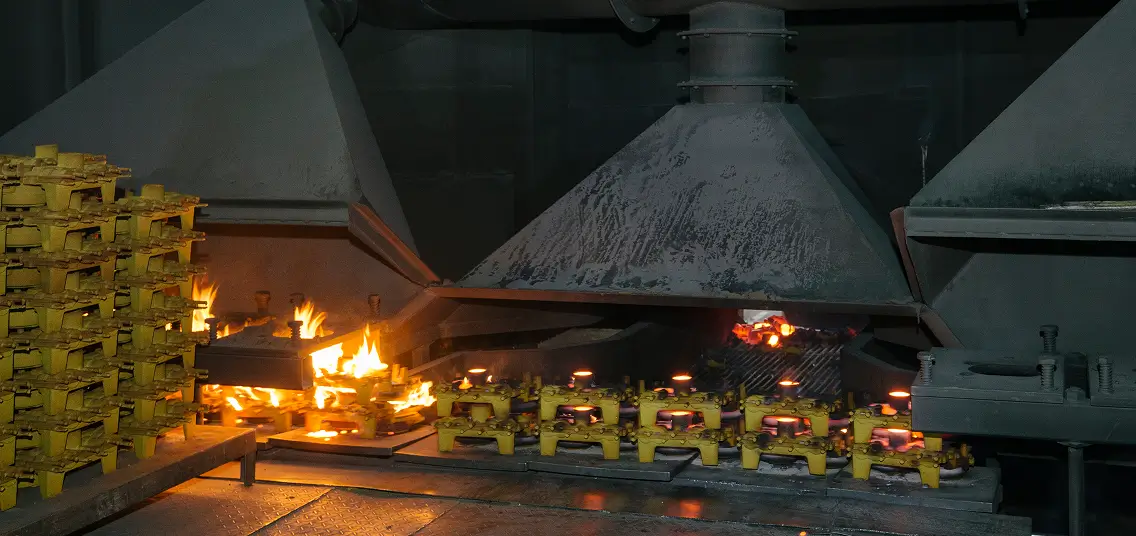
Consistent hydrogen at >99.9% purity for stable kiln combustion across the full burner load range
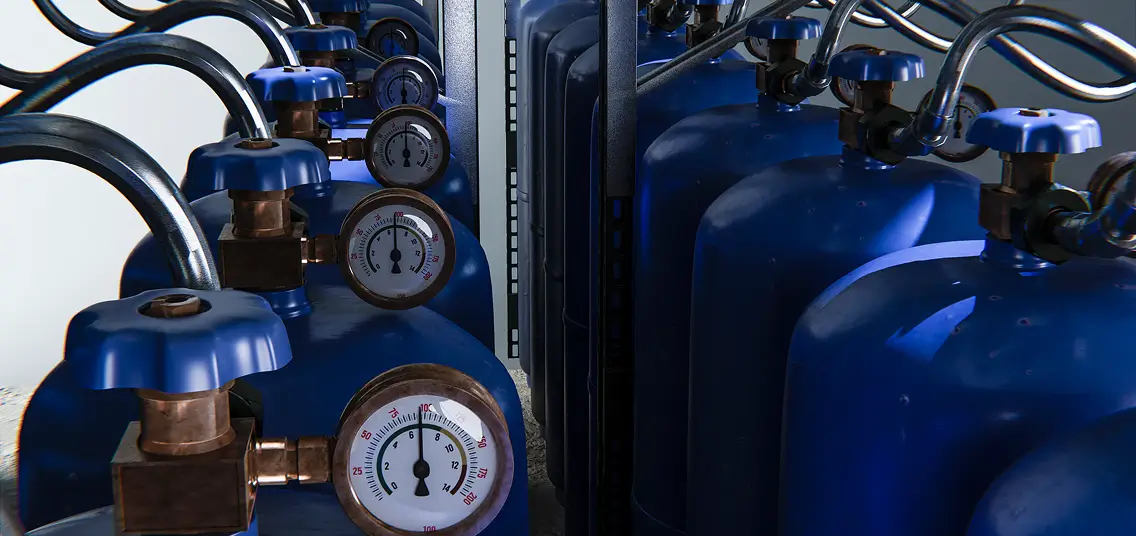
Sulphur and hydrocarbon impurities controlled to protect refractory and meet NOₓ and SOₓ compliance
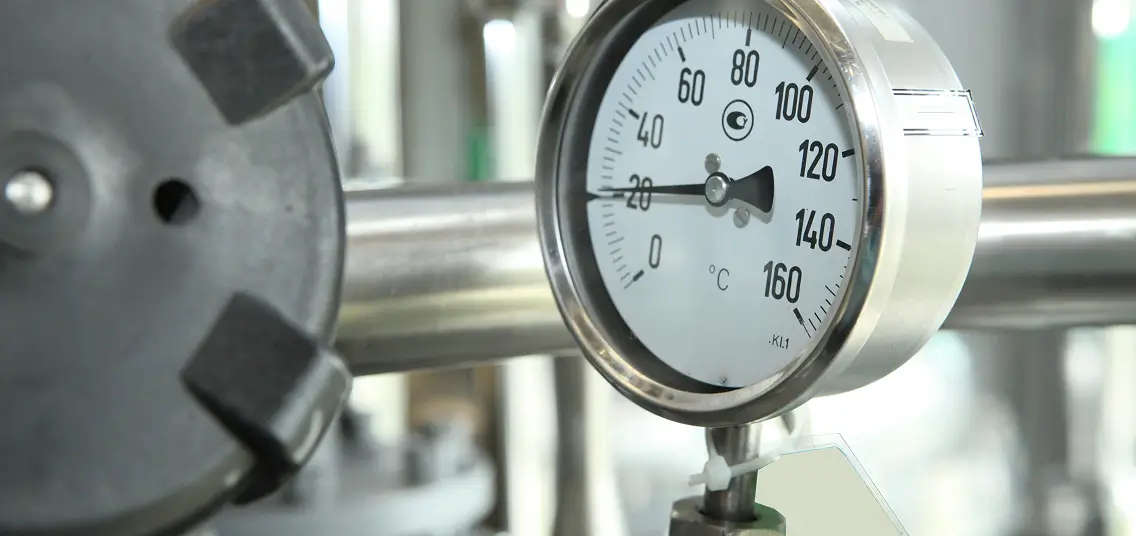
Steady pressure matched to burner lance specifications — critical during fuel-switching transitions
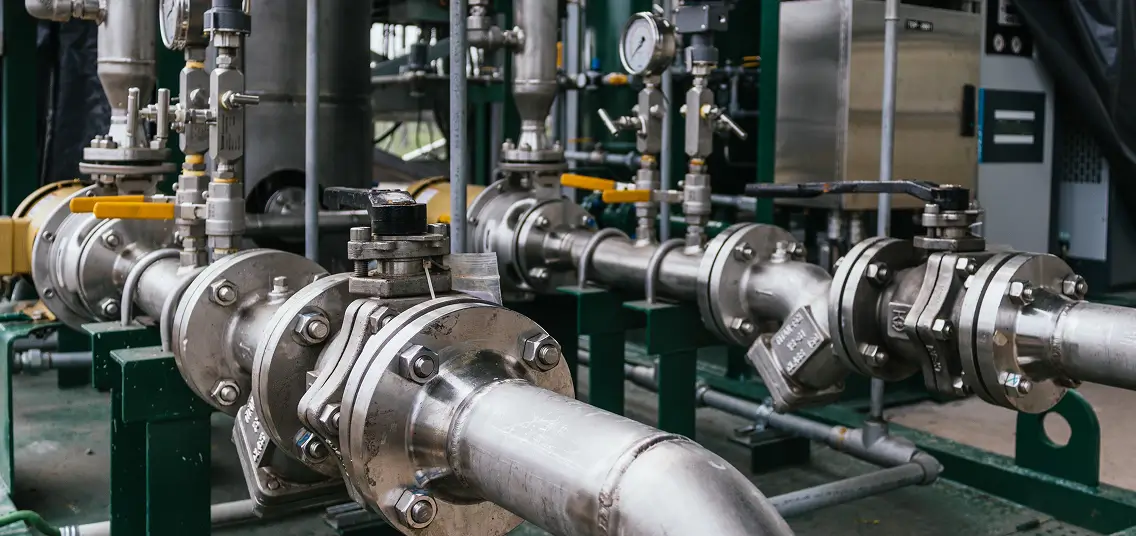
On-demand generation aligned to kiln throughput — no bulk storage infrastructure required

<Up to 25%>
CO₂ intensity reduction per tonne of clinker at hydrogen co-firing

<Up to 30%>
cost savings by eliminating delivered gas logistics

<>99.9%>
on-site hydrogen purity vs delivered benchmark
Our Impact
Assess On-Site Feasibility
60+
years cumulative hydrogen expertise
>99.9%
combustion-grade hydrogen purity delivered on-site
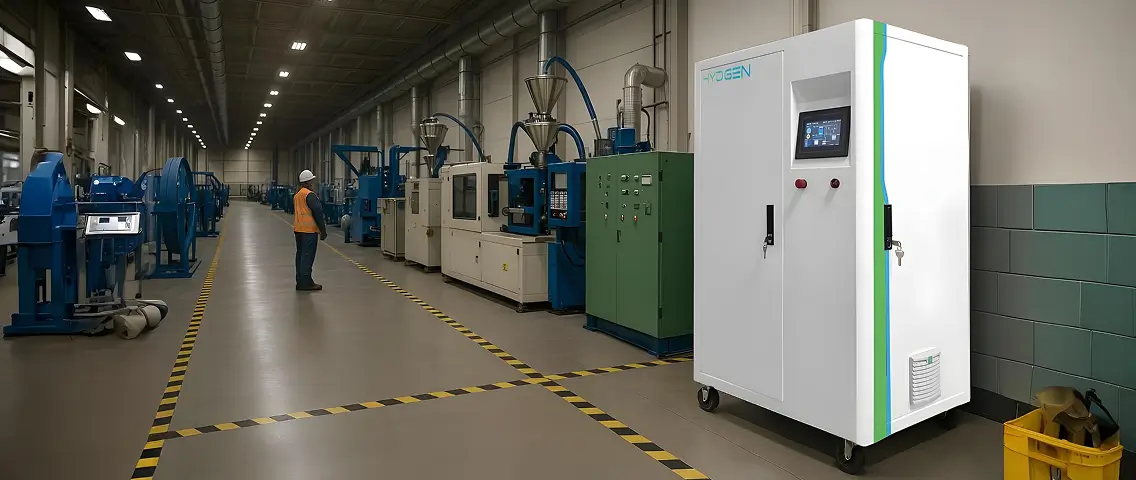
Plant-side containerised deployment — no pipeline infrastructure required
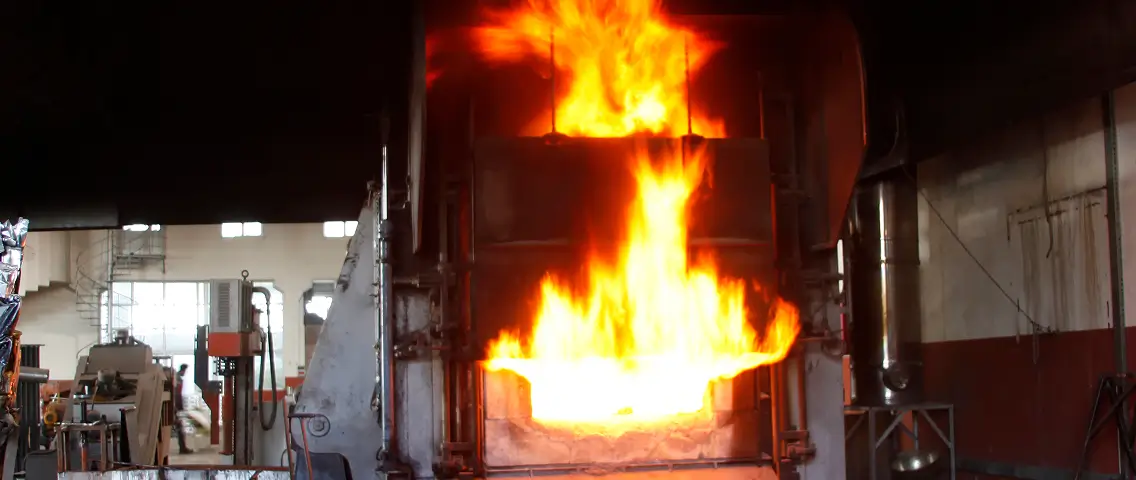
12 MtCO₂e saved over 20 years of operation
Why [Centralised Hydrogen] Supply [Blocks] Cement Kiln Decarbonisation
The cement industry has proved hydrogen co-firing works. The problem is the supply model — not the combustion chemistry.
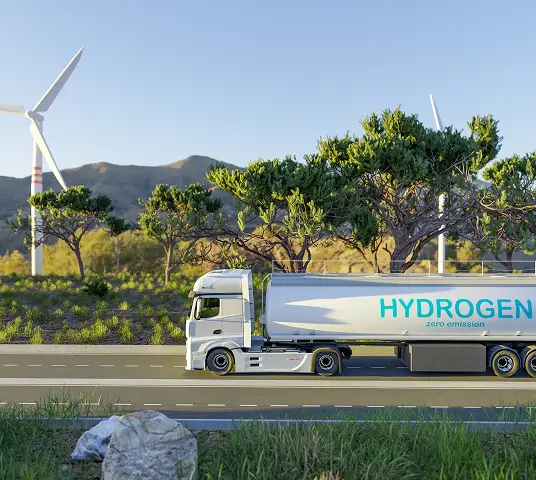
Transport and storage costs for delivered hydrogen to remote plant locations make per-tonne CO₂ abatement cost uncompetitive
Supply reliability exposure creates combustion variability risk during kiln campaigns — affecting clinker quality
No ability to modulate delivery in real time to match kiln throughput and fuel-switching schedules

Long procurement lead times delay decarbonisation timelines and create uncertainty for carbon pricing commitments
For most cement plant locations, on-site generation is not the cheaper option — it is the only operationally viable option for hydrogen co-firing at meaningful scale.
System-Level Reliability for {Kiln Integration} and {Phased Decarbonisation}
HYDGEN systems are designed for plant-side integration with rotary kiln burner systems — deployable for pilot co-firing programmes and scalable to full kiln integration.

Combustion-Grade Purity
>99.9% with stable calorific value — matched to kiln burner specifications and NOₓ/SOₓ compliance requirements

Real-Time Monitoring and Fuel-Switching Control
Automated output management and pressure control across variable kiln load conditions.

Containerised, Plant-Side Deployment
Compact, containerised units at plant periphery — no bulk liquid hydrogen storage or permanent pipeline connections.

Scalable Integration for Phased Roadmaps
Start at 5–20% substitution and scale to full kiln integration in line with regulatory commitments.

Pilot Data & Performance Metrics
<8,000+ hrs/year>
System uptime
<8–18% >
Per tonne of clinker at 10–20% co-firing vs fossil baseline
<20–40%>
Per tonne CO₂ abated vs CCUS and alternative pathways

Frequently Asked Questions
Can hydrogen be used as a fuel in cement kiln combustion?

Yes. Hanson UK's Ribblesdale plant ran on a 100% net-zero fuel mix including green hydrogen and biomass in 2021. CEMEX has deployed hydrogen injection across all European kilns. Current deployments use 5–30% substitution rates alongside existing fuels, achievable without major burner redesign.
What hydrogen purity is needed for cement kiln co-firing?
Cement kiln co-firing requires hydrogen at ≥99.9% purity. The key parameters are stable calorific value, consistent pressure, and absence of sulphur and heavy hydrocarbons affecting emission compliance and refractory integrity.
Why is on-site hydrogen generation better than delivered hydrogen for cement plants?
Cement plants are typically in remote locations. Delivering compressed or liquid hydrogen at co-firing volumes is commercially impractical — transport costs are prohibitive and bulk liquid hydrogen storage requires major civil infrastructure. On-site generation eliminates both barriers..
What CO₂ reduction can be achieved with hydrogen co-firing in cement kilns?
Hydrogen co-firing addresses the 40% of cement CO₂ attributable to kiln fuel combustion. At 20% hydrogen co-firing by energy, combustion CO₂ reduces by approximately 20%. The remaining 60% from limestone calcination requires carbon capture or alternative clinker chemistry.
How large does a cement plant need to be to justify on-site hydrogen generation?
A 75 MW kiln burner requires approximately 450 kg/hour at 20% hydrogen substitution. On-site generation economics typically favour delivered supply for remote locations even at modest co-firing rates. HYDGEN provides site-specific feasibility assessments.
Own your hydrogen supply
Tired of paying 60% more for your hydrogen than you need to?
Take control with on-site, on-demand production that's cost-effective, ultra-pure, and built for your reality.
Take control with on-site, on-demand production that's cost-effective, ultra-pure, and built for your reality.
Own your hydrogen supply
Ready to stop spending 60% more for your hydrogen than you need to? Reduce operational costs and eliminate dependency on external suppliers with your own on-site, on-demand hydrogen production.


