


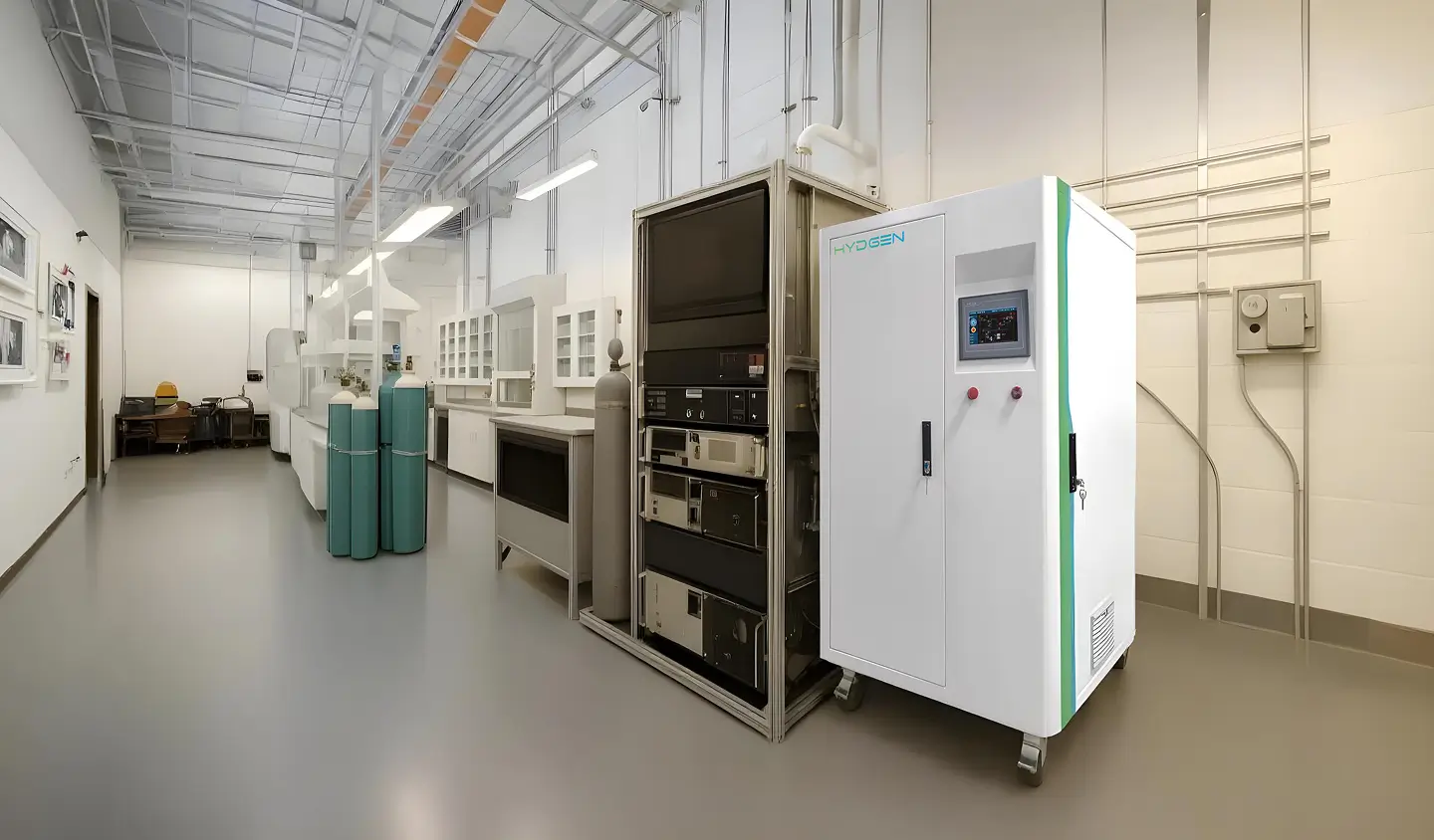
On-Site Hydrogen Generation for &Mobility Hubs, Refuelling Stations, and Fleet Decarbonisation&
Modular, on-demand hydrogen generation systems for hydrogen refuelling stations, commercial vehicle depot refuelling, and distributed mobility infrastructure.
On-Site Hydrogen Generation for &Mobility Hubs, Refuelling Stations, and Fleet Decarbonisation&
Modular, on-demand hydrogen generation systems for hydrogen refuelling stations, commercial vehicle depot refuelling, and distributed mobility infrastructure.
{SAE J2719 Fuel Cell Grade Hydrogen:} Why On-Site Generation Provides the Most Consistent Supply
Fuel cell vehicles require hydrogen meeting SAE J2719: ≥99.97% purity with tightly controlled sulphur, CO, and moisture limits. Contamination from delivered supply degrades membrane performance and shortens stack life — creating fleet maintenance exposure and driver confidence risk.
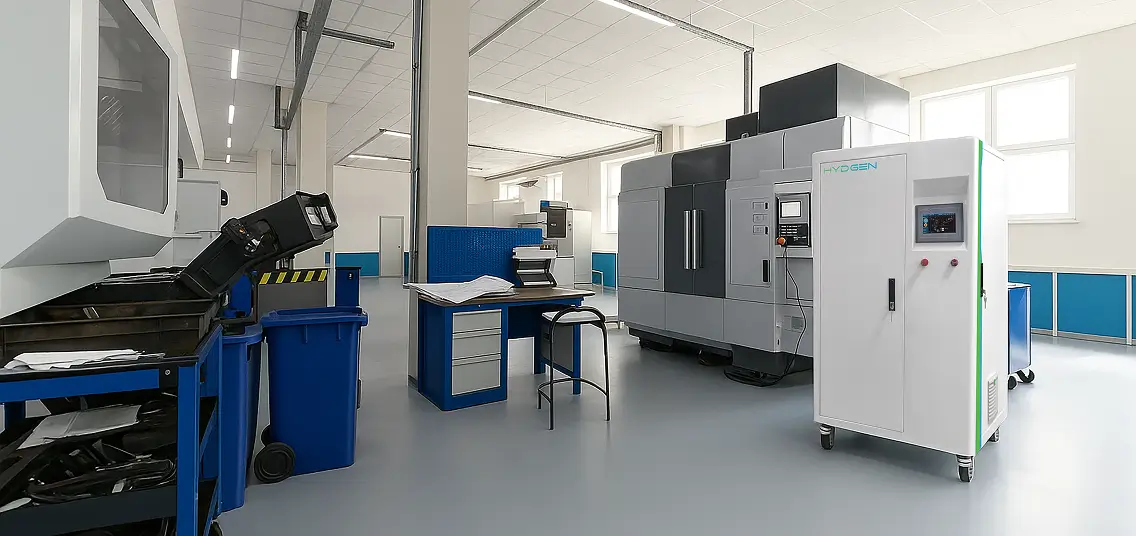
Consistent SAE J2719 fuel cell grade hydrogen (≥99.97%) — freshly generated with no transport-related contamination
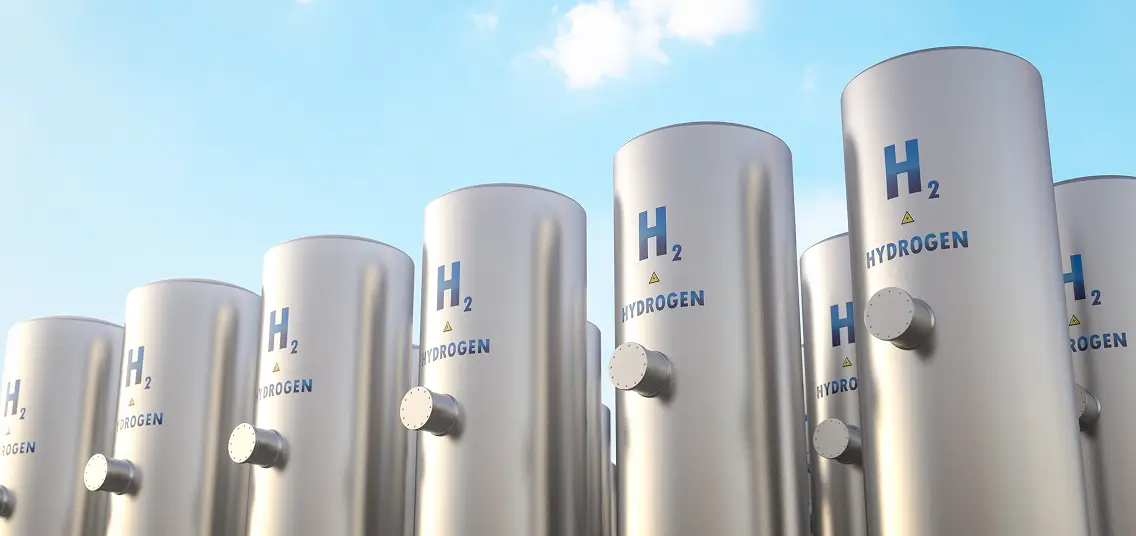
No contamination risk from tube trailer handling or high-pressure buffer storage
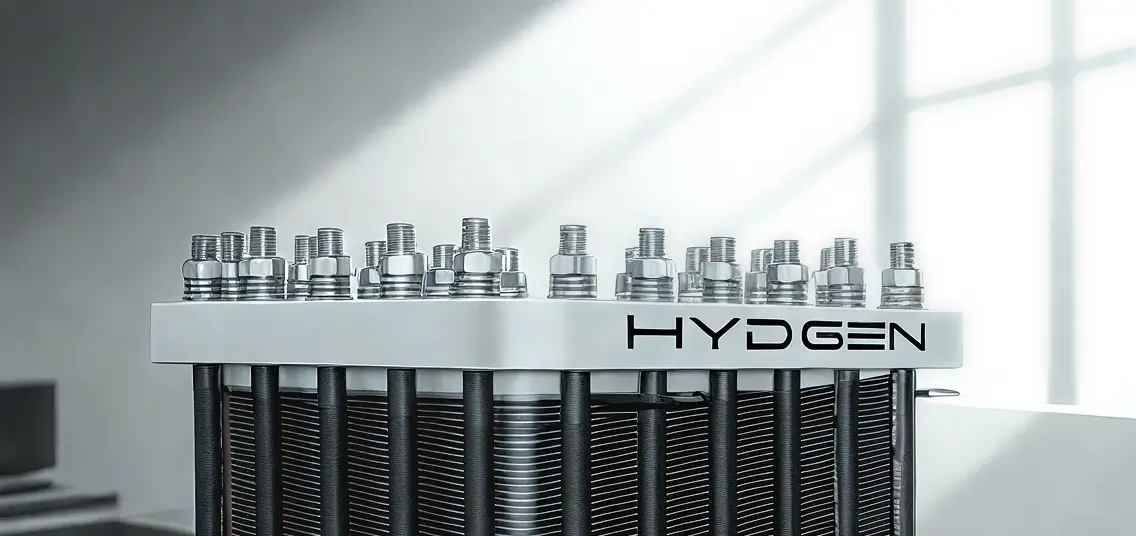
Controlled moisture and CO protecting PEM fuel cell membrane electrode assembly integrity
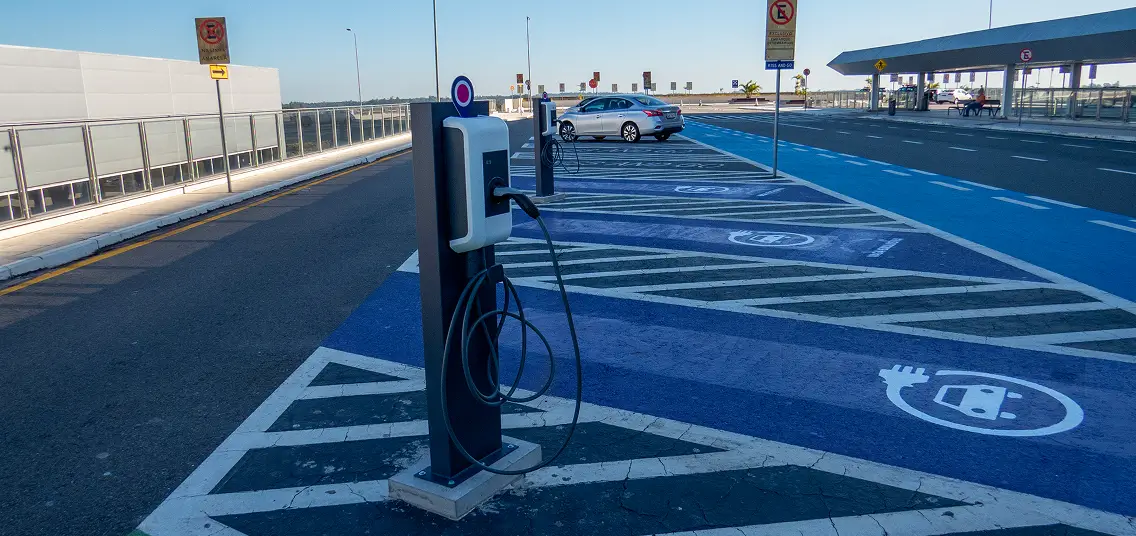
On-demand production matched to daily vehicle refuelling cycles — minimal buffer storage required

>99.9%
SAE J2719 compliance on-site vs delivered benchmark

<50%>
Reduction in fuel cell service events attributed to fuel quality

>99%
Cost per kg dispensed on-site vs delivered hydrogen
Our Impact
Assess On-Site Feasibility
60+
years cumulative hydrogen expertise
>99.97%
SAE J2719 fuel cell grade hydrogen delivered on-site

Manufactured in India — capital cost advantage for APAC and MENA mobility infrastructure
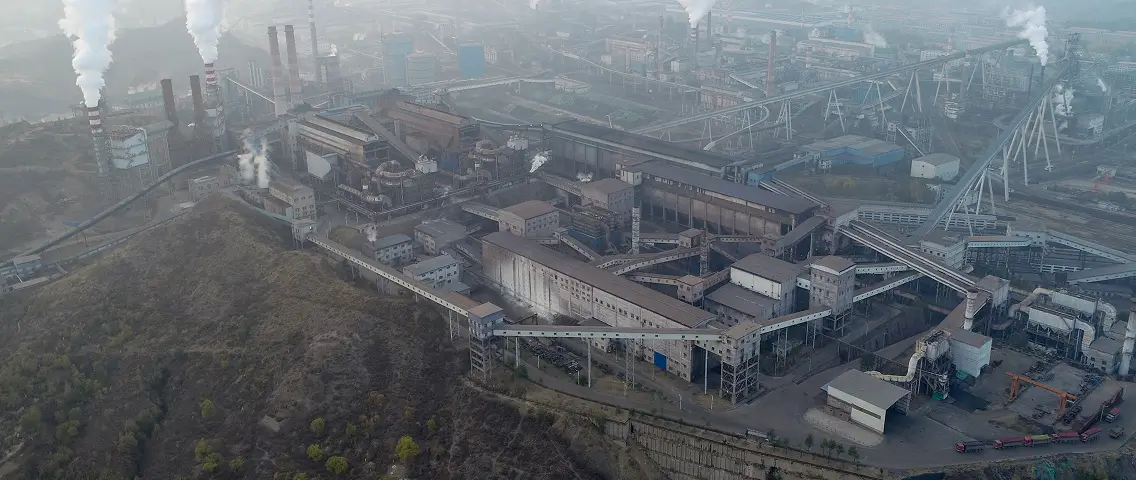
12 MtCO₂e saved over 20 years of operation
Why Delivered Hydrogen [Blocks] Commercially [Viable Hydrogen Mobility]
Delivered hydrogen creates cost, reliability, and coverage barriers that limit fleet adoption — particularly in APAC and MENA markets where hydrogen logistics infrastructure is nascent.
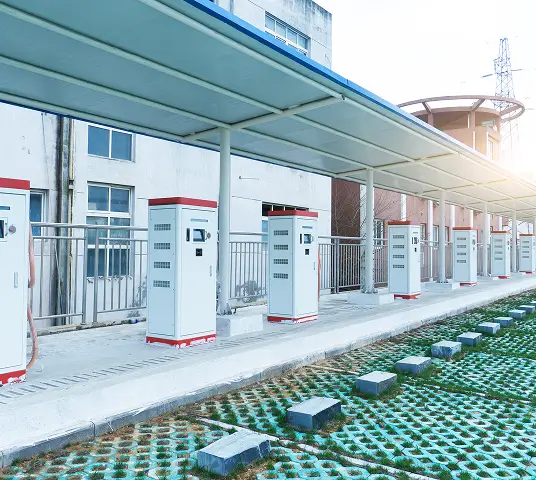
High dispensing cost per kg makes hydrogen uncompetitive with diesel for most commercial fleet operators at current delivered prices

Supply reliability exposure creates range uncertainty and undermines fleet operator and driver confidence

Geographic coverage gaps where centralised supply chains cannot economically serve distributed refuelling networks

Merchant hydrogen price volatility prevents the long-range cost modelling fleet procurement decisions require
HYDGEN generates hydrogen on-site at your refuelling hub or fleet depot — cost-stable, reliable, SAE J2719 grade, matched to your fleet's daily demand profile.
System-Level Reliability for Hydrogen {Refuelling Stations and Fleet Depots}
HYDGEN systems integrate with hydrogen refuelling stations, fleet depot infrastructure, and mobility hub developments across APAC and MENA.

SAE J2719 Fuel Cell Grade Purity
≥99.97% with controlled CO, sulphur, and moisture — meeting SAE J2719 for commercial vehicle, bus, and light-duty fleet refuelling.

Demand-Matched Generation and Smart Scheduling
Automated production scheduling aligned to daily refuelling patterns, with remote monitoring to prevent peak demand shortfalls.

Depot-Scale and Hub-Scale Deployment
Right-sized modular units for your daily demand profile — no bulk liquid hydrogen storage or centralised supply infrastructure.

Scalable Infrastructure for Growing Fleets
Add generation modules in line with fleet adoption — no infrastructure redesign, no stranded capital.

Pilot Data & Performance Metrics
<8,000+ hrs/year>
Hub uptime
<15–25%>
Cost per kg dispensed on-site vs delivered hydrogen
<20–40%>
Fleet carbon intensity reduction with on-site green hydrogen

Frequently Asked Questions
What hydrogen purity standard do fuel cell vehicles require?

Hydrogen for FCEVs must meet SAE J2719 (ISO 14687): ≥99.97% purity with total sulphur ≤4 ppb, CO ≤0.2 ppm, total hydrocarbons (excluding methane) ≤2 ppm, and moisture ≤5 ppm. On-site PEM electrolysis produces hydrogen at ≥99.999% — well above this specification.
What is the cost per kilogram of on-site hydrogen vs delivered hydrogen for refuelling stations?
At APAC electricity prices and current electrolyser costs, on-site generation typically achieves a production cost of $3–8/kg before compression and dispensing. Delivered compressed hydrogen adds $4–8/kg for logistics and storage. The advantage of on-site generation is greatest at higher utilisation rates and remote locations.
How does on-site hydrogen generation improve refuelling station reliability?
Delivered hydrogen creates reliability risk across the entire logistics chain — scheduling, delivery availability, connection procedures, and emergency re-supply lead times. On-site generation eliminates all of these dependencies. Supply depends on the electrolyser and electricity supply, not a logistics chain.
What size of hydrogen refuelling station is on-site generation suitable for?
On-site generation is viable from approximately 50 kg/day upward. For bus depot and heavy-duty truck corridor applications dispensing 200–1,000+ kg/day, on-site generation is strongly preferred over delivered supply on both economics and reliability grounds.
Can on-site hydrogen generation support both light-duty vehicles and commercial trucks from the same station?
Yes. A single on-site generation system can supply multiple dispensers at different pressures — 350 bar for heavy-duty trucks and buses, 700 bar for light-duty vehicles. HYDGEN systems can be configured for single-pressure or multi-pressure dispensing.
Own your hydrogen supply
Tired of paying 60% more for your hydrogen than you need to?
Take control with on-site, on-demand production that's cost-effective, ultra-pure, and built for your reality.
Take control with on-site, on-demand production that's cost-effective, ultra-pure, and built for your reality.
Own your hydrogen supply
Ready to stop spending 60% more for your hydrogen than you need to? Reduce operational costs and eliminate dependency on external suppliers with your own on-site, on-demand hydrogen production.


